The Shift to Digital Invoicing in the UK: What It Means for Finance Teams
Why digital invoicing, MTD, and AP automation are becoming baseline requirements for UK finance teams—and what to look for in a solution.
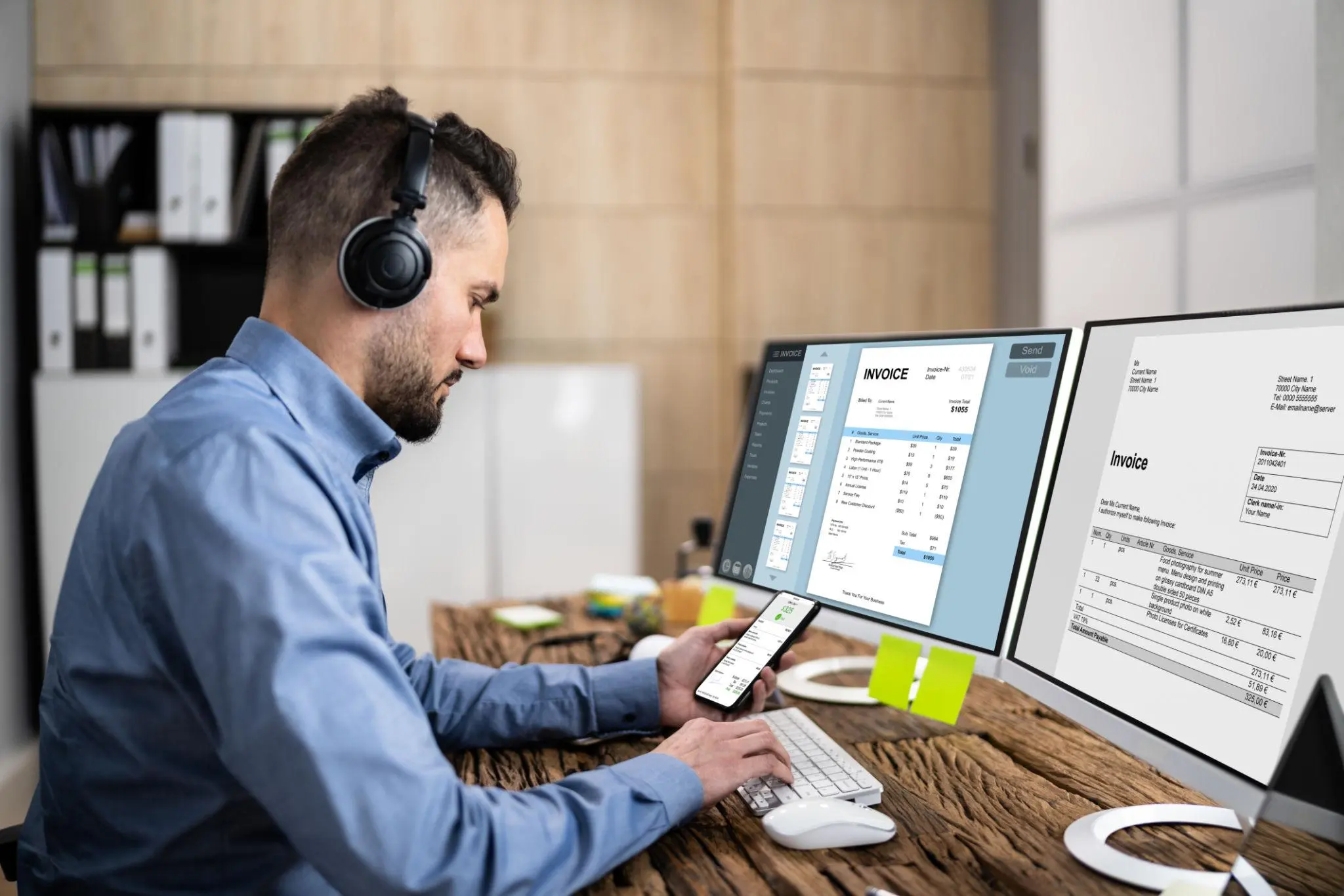
Why digital invoicing is no longer optional
UK finance teams are under pressure to move away from manual processes. Email inboxes, spreadsheets, and paper invoices are slow and hard to control.
At the same time, regulation and reporting requirements are increasing. This is pushing businesses to adopt structured, digital ways of handling invoices.
The move is not just about efficiency. It is about control, compliance, and visibility.
The role of Making Tax Digital (MTD)
The UK government, through HM Revenue and Customs, is driving the shift with Making Tax Digital.
MTD requires businesses to:
- Keep digital records
- Use compatible software
- Submit VAT returns electronically
For VAT, this is already in place. More changes are expected over time, including broader digital reporting requirements.
This means finance teams can no longer rely on disconnected tools. Invoice data must be captured, stored, and processed digitally from the start.
The problem with traditional AP processes
Most AP teams still deal with:
- Invoices coming from multiple channels (email, PDF, paper)
- Manual data entry into finance systems
- Approval chasing across email threads
- Limited visibility on invoice status
This creates real issues:
- Delays in approvals
- Risk of duplicate payments
- Poor audit trails
- Difficulty staying compliant
And when audits happen, pulling records can take days.
What AP automation actually solves
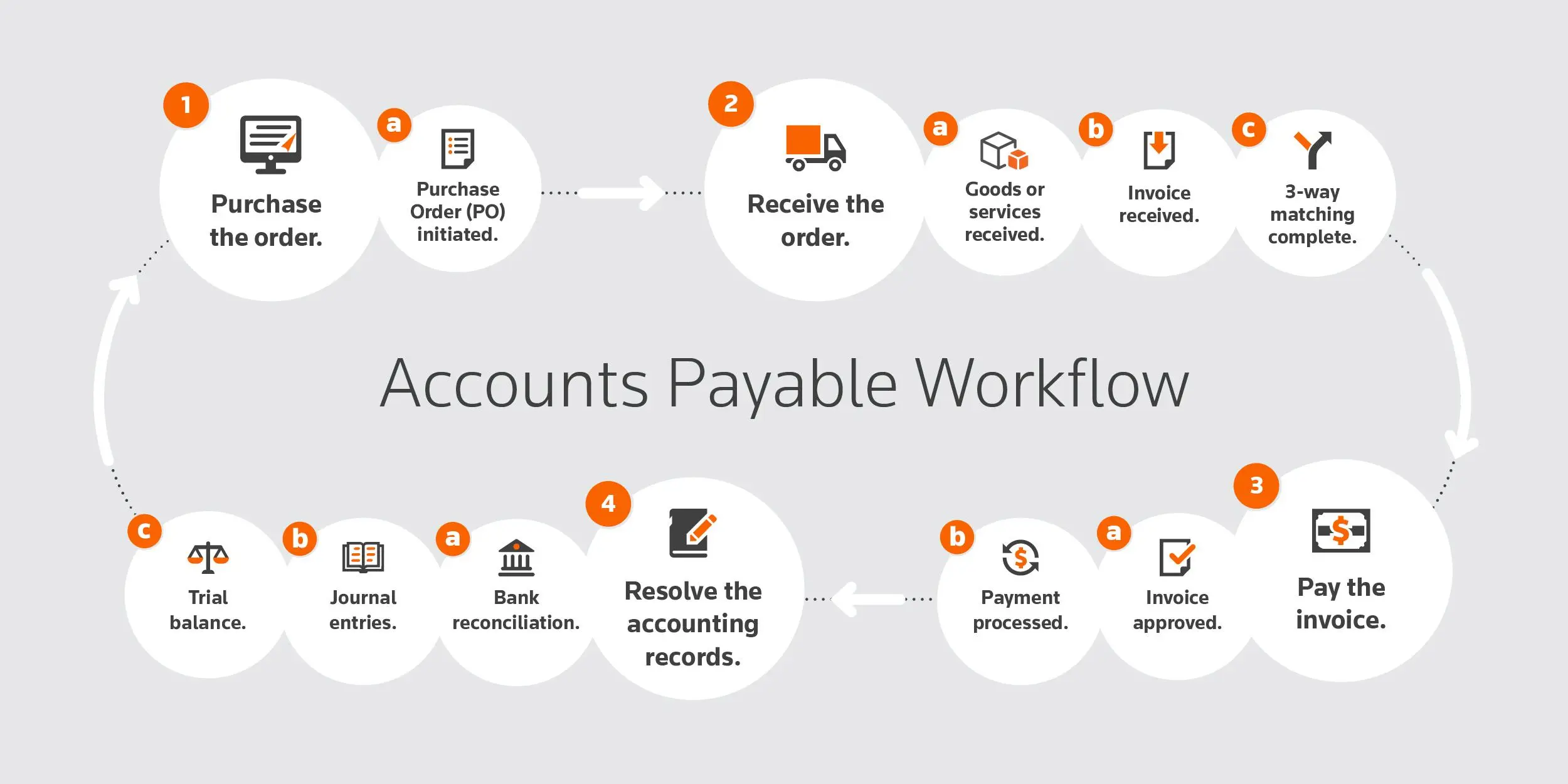
AP automation replaces manual steps with a structured workflow.
Key capabilities include:
- Automatic data extraction from invoices
- Centralised invoice tracking
- Controlled approval workflows
- Real-time status visibility
- Full audit history
Instead of chasing invoices, teams manage them in one place.
Benefits for UK businesses
For UK companies, the impact is clear:
- Faster processing times — Invoices move through approval workflows without delays
- Better compliance — Digital records align with MTD and audit requirements
- Fewer errors — Reduced manual input lowers risk of mistakes
- Stronger supplier relationships — Suppliers get faster responses and fewer disputes
- Clear financial visibility — Finance teams know exactly what is owed and when
Where invoice collaboration fits in
Automation alone is not enough.
A common gap is communication between finance teams and suppliers. This is where invoice collaboration platforms come in.
Instead of long email chains, everything sits in one shared space:
- Queries raised directly against invoices
- Version control for updated documents
- Clear audit trail of conversations
- Controlled access for suppliers and internal teams
This reduces back-and-forth and keeps everything tied to the invoice.
What to consider when choosing a solution
Not all AP tools are built the same.
UK businesses should look for:
- MTD-ready digital record handling
- Strong audit and compliance features
- Flexible workflows that match real processes
- Integration with existing ERP systems
- Support for supplier collaboration
The goal is not just automation, but control and clarity.
Final thought
Digital invoicing is moving from "nice to have" to a basic requirement in the UK.
Finance teams that act early will gain:
- Better control over cash flow
- Stronger compliance
- Less operational friction
Those that delay will find it harder to keep up as requirements increase.
Ellisdata helps UK finance teams digitise invoice handling with structured workflows and collaboration built for enterprise AP.